Simple drawing adaptations from 2D to a feasible 3.
Ok, I’m a beginner in animation.
I am quickly realising that creating 2D hand-drawn animations which ‘pass-off’ as 3D is not a straight forward task.
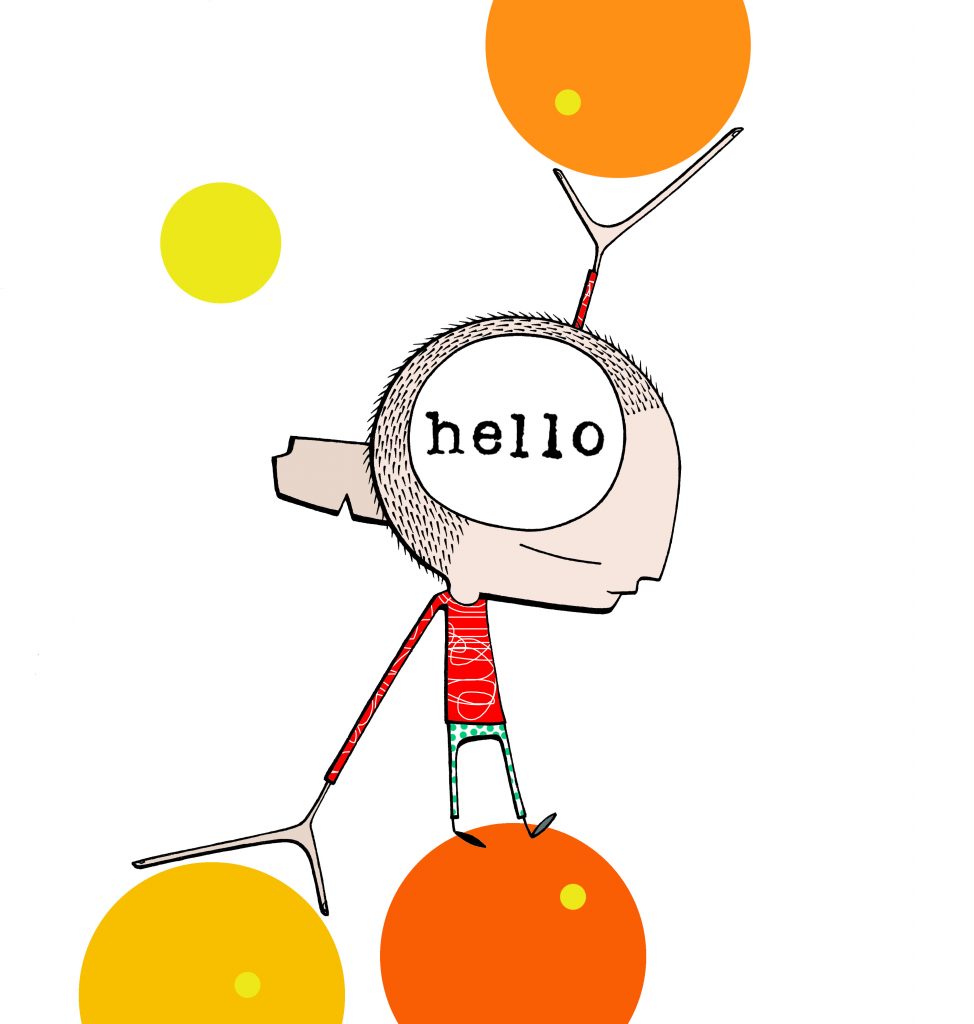
My years as a 2D illustrator working primarily on paper, has not challenged me to give life-like form to my stylised characters. My preference is to draw flat. With my graphics head on, my delight is in the augmentation of constructed 2D form, creating expressive characters through exaggeration, distortion of scale and playfulness. Outlines are all. Clean, intentional and adapted, in order to communicate with optimum clarity.
All good when a single image can stand alone, stake its claim and grab attention solo.
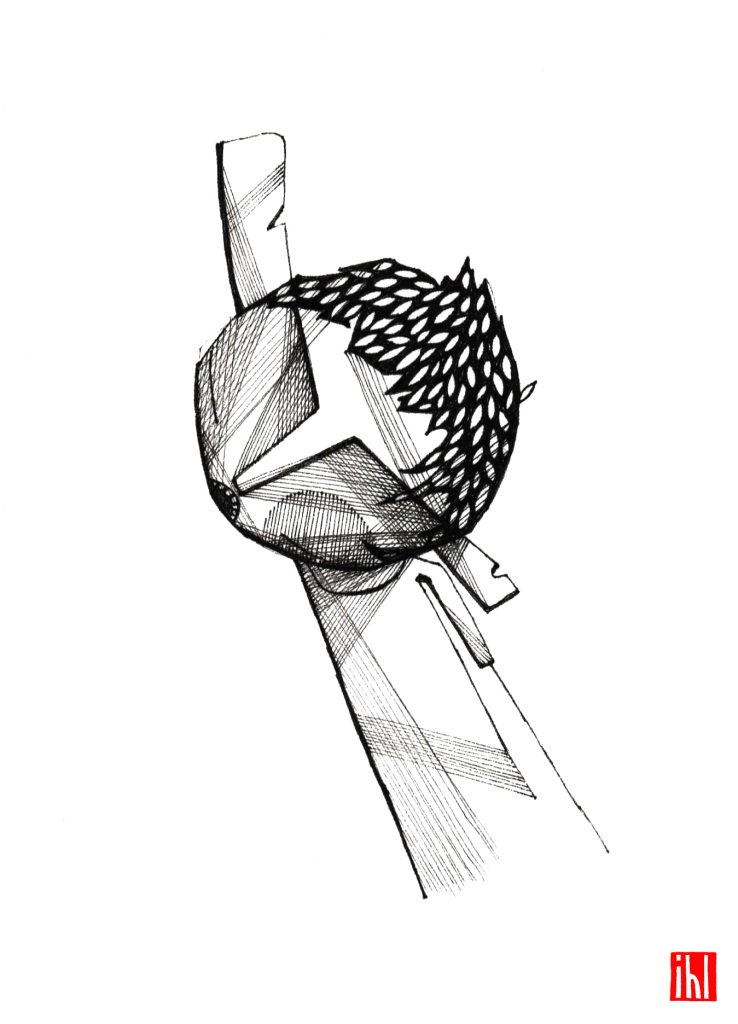
Not so ideal when needing to animate a readable sequence. For one unfeasible image (though it may work brilliantly as an illustration) to link and flow into the next, throws up a whole panacea of problems.
In my first few weeks of animation at UAL we are being taught to key-frame a simple scenario, a pull cycle where a simple character encounters a challenging battle with a very resistant rope. Key frames in place at the extremes of action, the in-betweens create the flow and continuity.
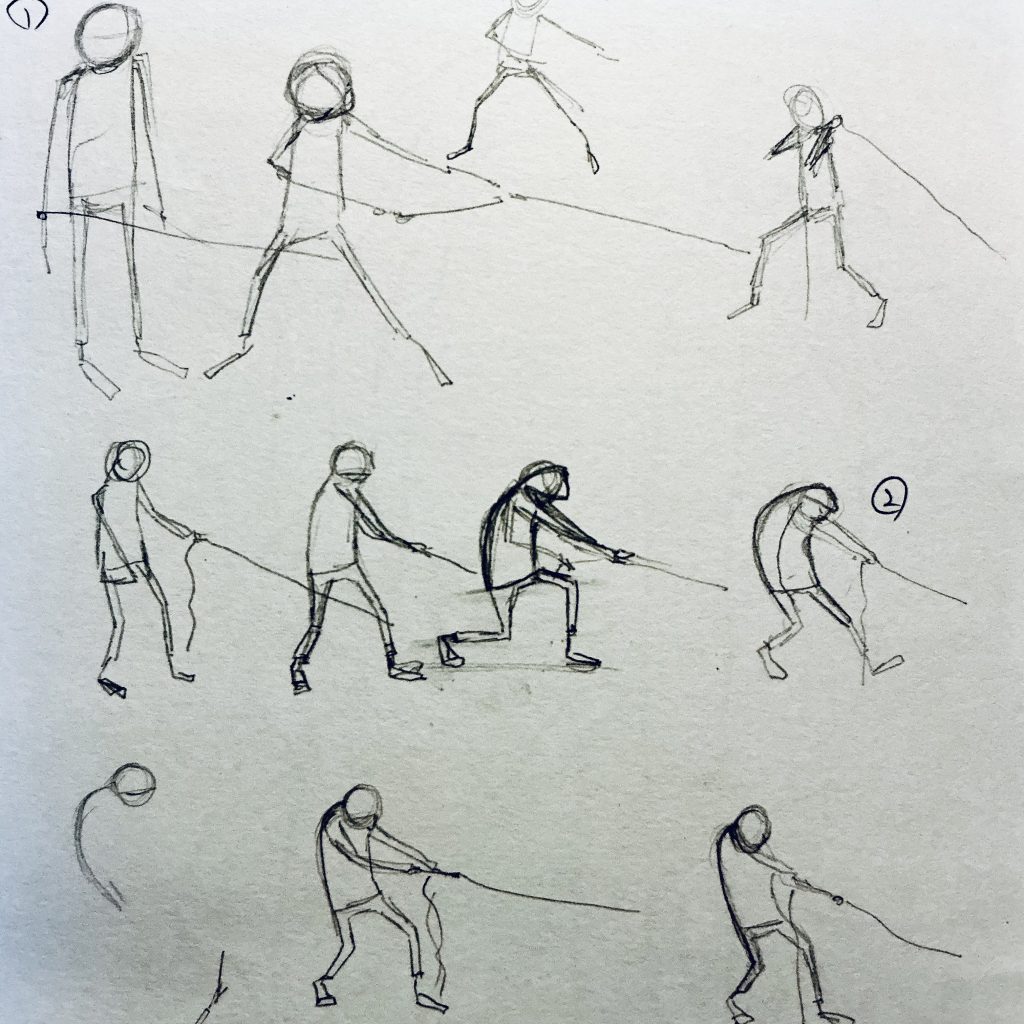
As my first figurative animation task, I have found it engaging and challenging. Bringing into play the 12 Principles of Animation we have covered so far: exaggeration; ease-in and ease-out; follow through; squash and stretch; and timing, the animation has shaped up OK. It’s rough, and in its initial stages, but it kind of hangs together.
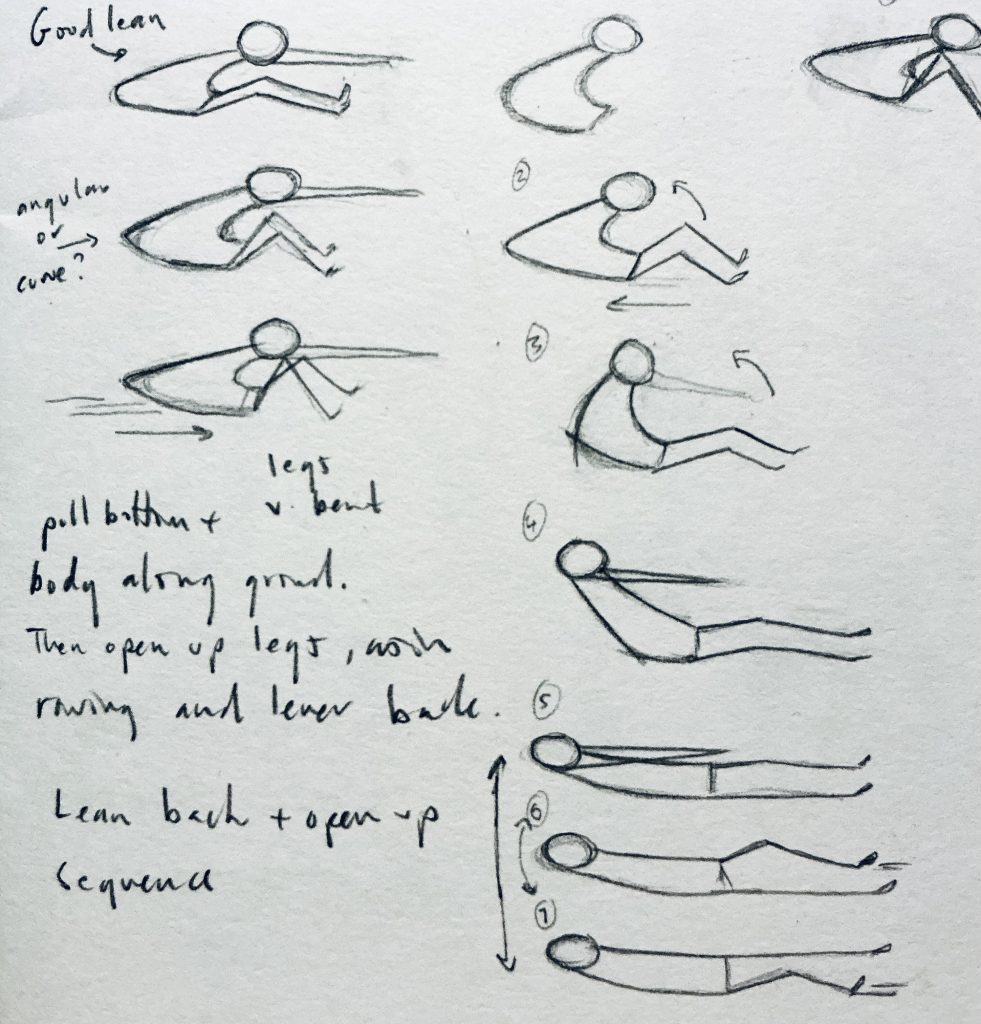
However, animation techniques aside, I am faced with the fundamental task of making my characters hang together as believable 3D beings with body parts occurring in some sort of continuity.
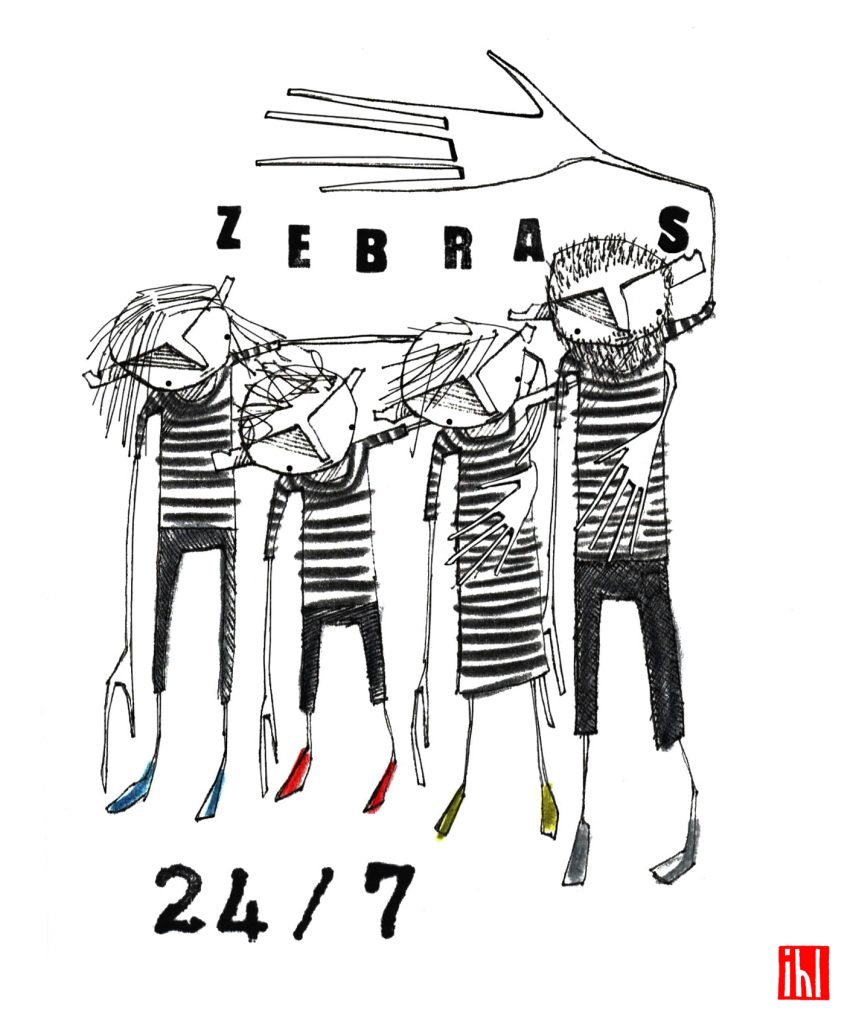
An early problem -as I see it – my character drawing style to date rarely include necks, or the suggestion of one. I really like the ‘slouchy, simple head on torso’ aesthetic, and it sounds daft, but eliminating the neck greatly restricts the feasible poses of a readable 3D character in animation.
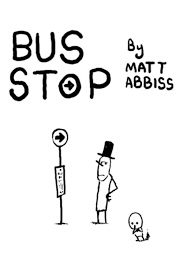
Buss Stop, an animation by Matt Abbiss (2004) came to my attention whilst battling the animated Pull sequence. I like it a lot.
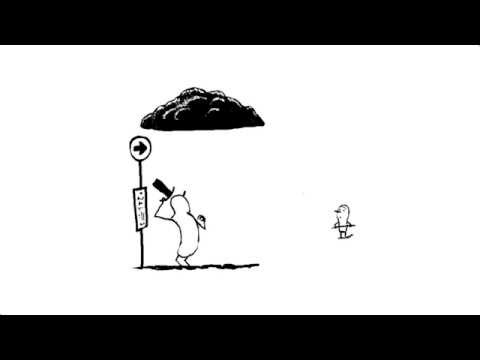
Buss Stop (2004), an animation by Matt Abbiss, https://www.youtube.com/watch?v=dX0-DtcZjSg
Abbiss’s 2D style is made up of simple black outlines (as are my own). However, his characters, though they are as minimal as they come, are 3D. A fundamental understanding of the human form and how it moves, alongside his impeccable comic timing and beautifully observed character interaction – Matt Abbiss’s Buss Stop characters also have necks. Indicated by the simplest of T-junctions, being able to locate the head as either left or right of the torso, enables the drawings to come to life with an agility of subtle (the grown up) and exaggerated (the child)pose. By implying a neck, we have shoulders. With shoulders we have perspective, the ability to show a shift of weight, and a wide range of head to torso movements.
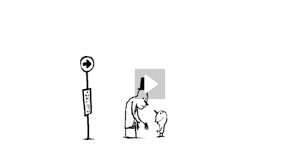
Animation is about gesture and clarity. Being able to communicated that gesture in a few lines is so appealing as a budding animator. Using all the core aspects of the 3D form I see as fundamental, however trivial they might sound at first.
With this in mind, I set to studying Buss Stop frame-by-frame and translated Abbiss’s character poses into my drawing style. Instantly my new character has a versatility – movement possibilities which read clearly as a 3D, 2D drawing. With the neck comes a shoulder, and with a shoulder comes a range of movements which read logically and with clarity, ie the drawing makes more sense to the viewer.
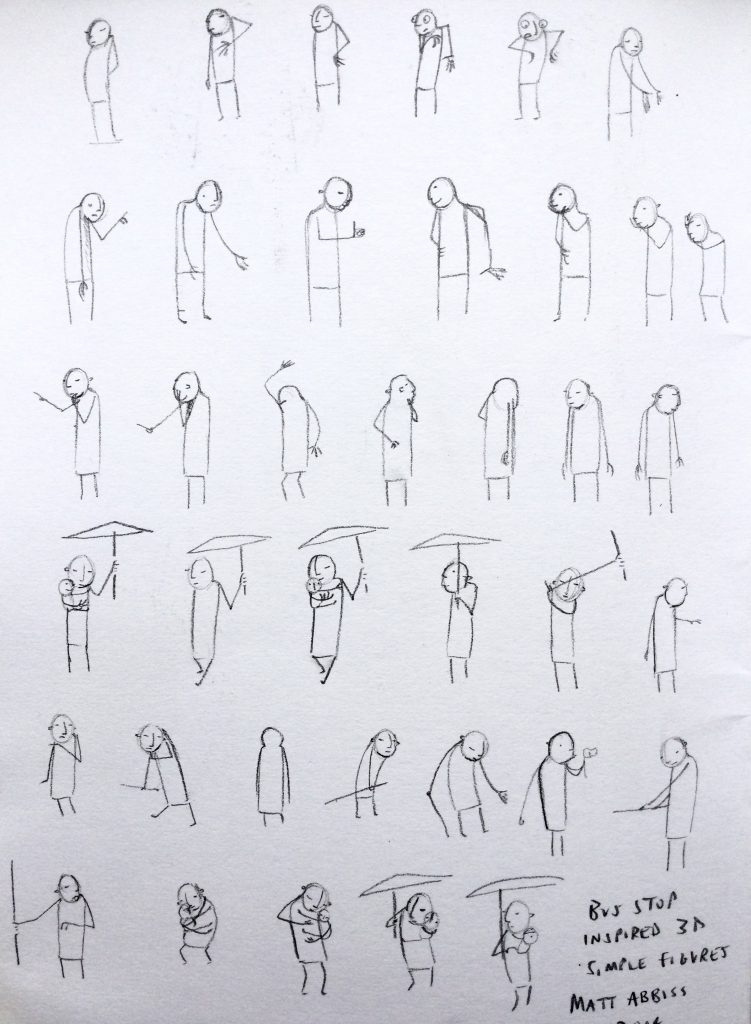
This is exciting. The shifting of my drawing work into animatic will require many adaptations. My task is to maintain a continuity of style which resonates with truth to my drawn aesthetic. Above all I need to enjoy it. Enjoying the transition from illustration to animation and its challenges. It’s all positive growth and building an ever broadening frame of reference.
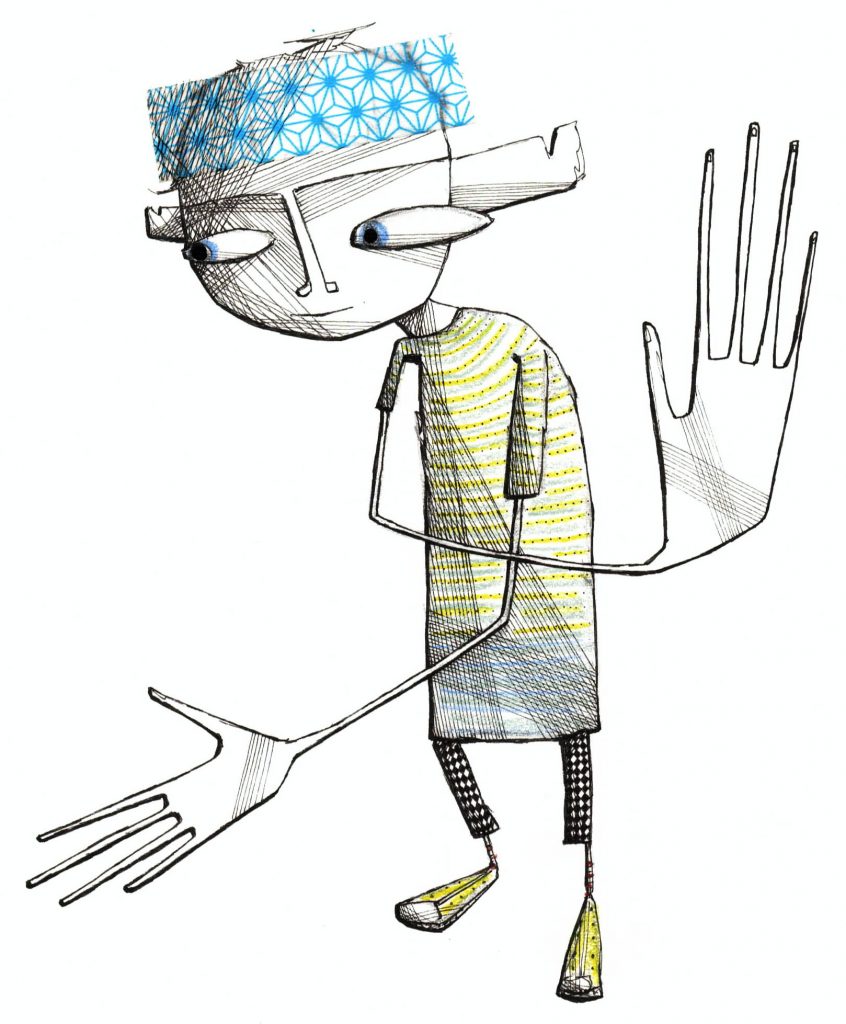
Look! A neck!
Leave a Reply