A conversation with Pre Vis artist Clive Hutchings
October 2026
Unit 2 Industry Research
Clive Hutchings is a very modest guy.
We met to chat about his work as a Pre-Visualisation Animation Artist over 40 years, how his role changed and adapted to embrace new technology within the industry, and really to geek out on drawing and animation and film. We chatted for hours, but it was only on a following WhatsApp that the extent of his animation career revealed a catalogue of studio highlights including: Disney; Amblimation; Dreamworks; Ragdoll; RocketPictures; Paramount and Aardmann to name but a few.
His work is fascinating and despite the huge disparity in our animation experience, our common ground is simple: our generation and our love of drawing. Albeit a joint delight in the use of drawing as an effective communicator, a healthy interest in problem solving and a strong foundation in craftsmanship and making.
Throughout our conversation I was mindful of my own learning and practice.
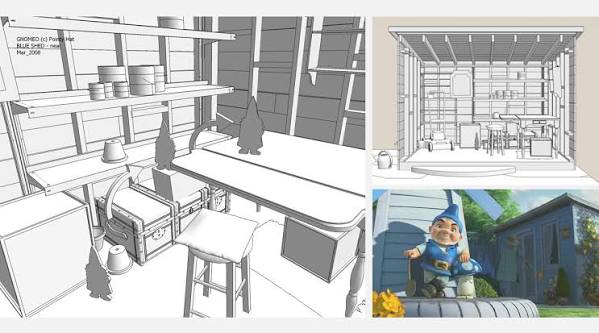
The role of a 2D layout artist, I learned from Clive is “less about drawing (and) more about visualisation”. Combining all elements of describing a shot: storyboard; composition; camera moves; background roughs and a running interpretation of how a shot will work. It is both thinking and experimental-heavy, combining film making and creative arts through a process of rendering. Allowing the Director to review each aspect of the animation before final approval.
Thinking about my own practice of stop-motion, there are no layout artists to simulate camera moves, as action is shot in real-time with real cameras. As stop-motion animator you must be the complete package DOP, establishing an appropriate camera language for the film. As I had previously read in an article on the Importance of Visual Storytelling, “It is critical to understand the story and emotion of the sequence before placing cameras into the scene. Without this, a camera is only a spectator in the scene, not a storyteller” Kim,A.
Talking to Clive, we agree that there is no replacement to learning the foundations of your craft. He describes the use of ‘old school‘ rostrum cameras with which you had to ‘really understand perspective’. Moving artwork to create the appearance of multifaceted action; 360degree detailed character drawings and truly understanding movement to conceptualise the world within the animation.
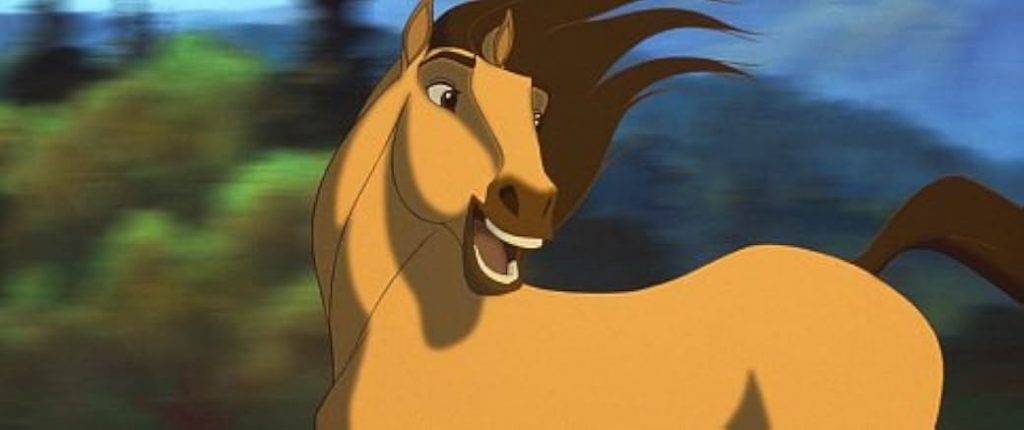
By the mid 1990s, he explained, hand drawn animation began to use 3D tools to ‘map out’ and make comprehensive sense of a 2D panorama, and “people embraced it” – heralding a positive change in the system pipeline. ‘For example?’ I ask. Clive cites a sequence of CG horses he worked on in The Spirit of Cimarron (Dreamworks) in 2002: “Early CG was a tool. A means to facilitate a clearer, slicker 2D process.” The huge timesaving and broad elaboration of using projected surface imagery and the precursor of texturing, the object nevertheless was to create a believable hand drawn effect as, counterintuitively, “there was not the current appetite for animations to appear digital.”
The nuanced balancing of technical progress with innate human creativity is fascinating. Clive’s’ decades of experience within the industry has seen a catalogue of change.
Back to his comment on “less drawing”, and mindful of an emphasis on the breadth of technological development, I play devil’s advocate –
“Are any of them (Pre Vis) creative artists?”
“Erm…”, Clive hesitates, “ Yes,… but with a head for the techy stuff”.
Time saving, I reflect, does not equal progress. Technology which advances possibilities and mops up the manual equations of process such as the workings out of complex perspective, is only as good as the proportion of creativity it enables to flourish.
Taking my learning from Clive and zooming it into the microcosm of my solo stop motion experience: the big commercial studio to the animation student, I reflect on an appetite of problem solving, ideas and fun. This we have in common.
There are always shortcuts, aided by software technology. There is always clean-up and rescue packages to be applied postproduction. But none of these can replace genuine ingenuity and exploration in technique. As soon as we sit back and rely on technology to ‘do the work for us’, we relinquish originality and new (however conversely ‘old school’) visual frontiers. Contemporaneity is both reflective and subjective within the context of new creative endeavour. The ‘newness’ comes from heartfelt, pure intention of communicative aesthetic.
Everything happens within a context – this cannot be controlled.
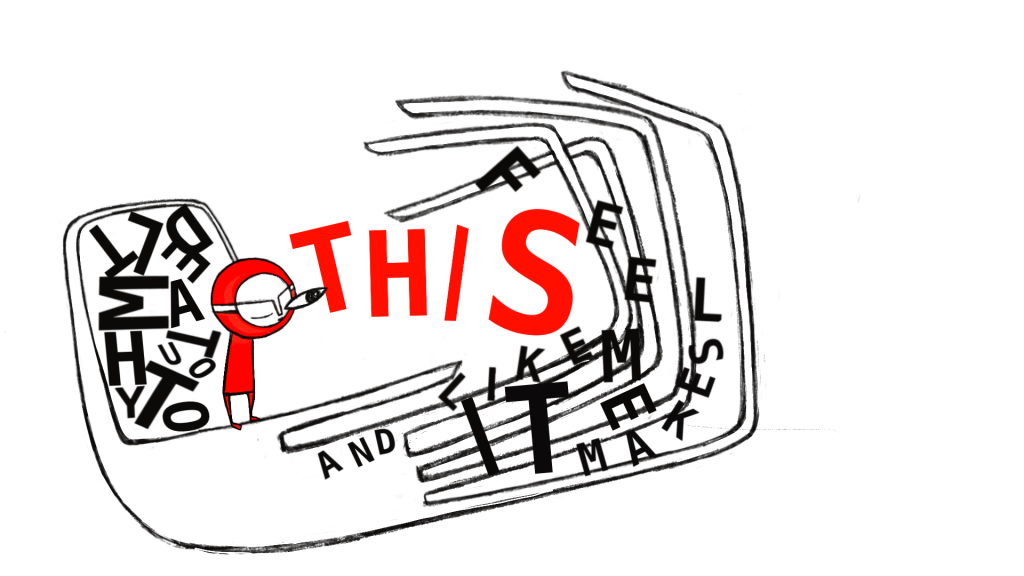
Currently I am working on my own strategy. Considering my MACA learning curve, I can focus – unencumbered by the pressure of a client – on my personal design aesthetic and how best to achieve this.
The canny and inquisitive use of software supports this process, but it cannot replace originality and a passion to express as an artist. Clive laments that he doesn’t do enough drawing in his career. Something he loves. The Adobe suite, for example, is a means to refine, homogenise and clean up, but too strong a lean into this, for me at least is an anathema to ideas.
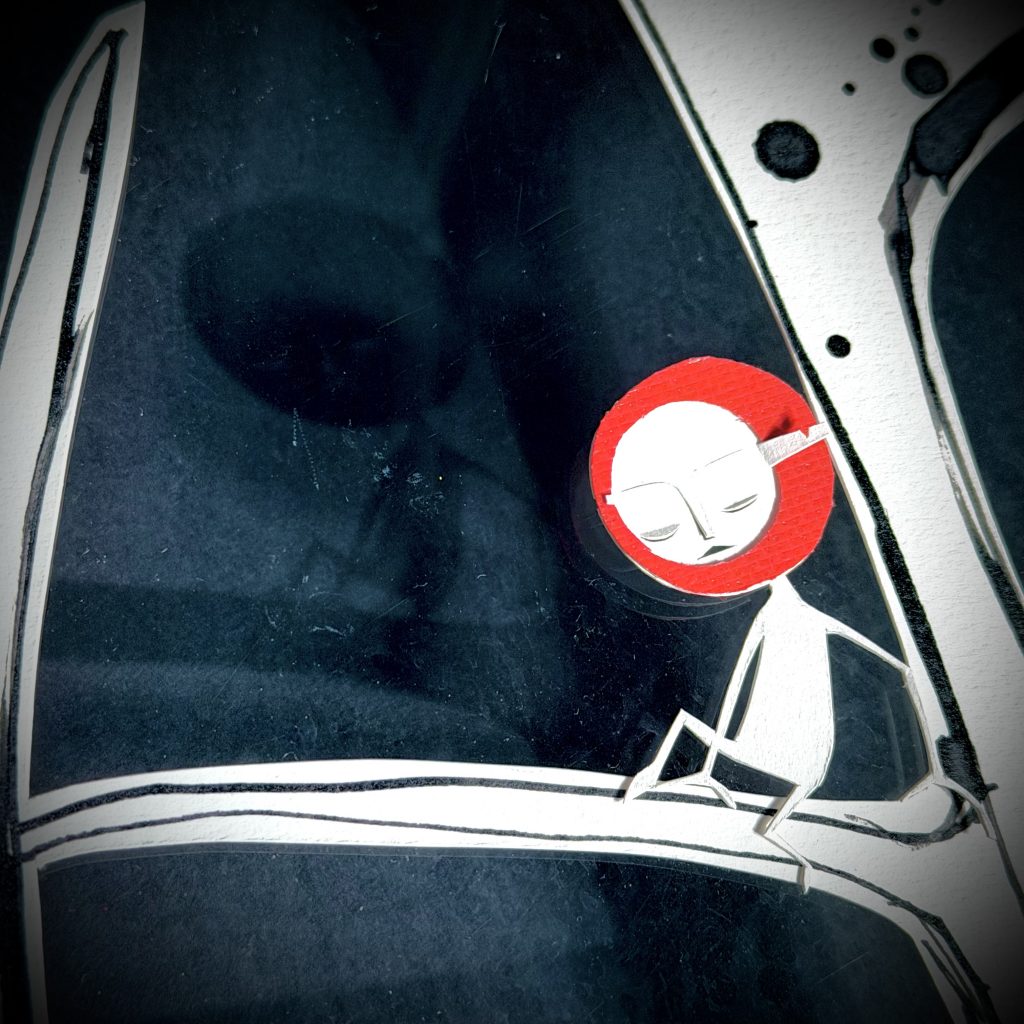
As we wrapped up, our conversation took a short concluding step into the topic of AI, almost in the “What the Hell”, ‘arms-in-the-air’ kinda way (we are both in our 50s and have hard earnt our understanding and learning of all CG tech as a new adult language). Things come in waves, as with current AI push back, a respect and preservation of traditional techniques and aesthetics is a precious thing.
“AI can do most jobs now” reflects Clive, “but it cannot replace learning or working as part of a team”.
….Whereas I might have taken the conversation down the path of homogenisation – where everything AI becomes margarine….
Clive’s take was more on the loss of creative camaraderie and reactive nuance. Within his studio career changing direction was traditionally a huge collective undertaking, however, as he says, “working in isolation with AI you just don’t learn from each other”. For Clive, colleagues are sounding boards and enable the ignition of creative negotiation in their collective expertise – “able to get the best from the best”.
I ask Clive, ‘What does it say on your hat?’
“Team Creative” he says, and I’m with him on this.
Imogen Harvey-Lewis 2026
References
The Importance of Visual Storytelling, Arem Kim. 3dTotal interview. Skreenskills.com, Sept 12 2018
Leave a Reply